In modern architecture, the seamless entry and exit of visitors define the professional image of any commercial establishment. From high-traffic shopping malls in Cairo to specialized medical facilities, understanding how automatic sliding doors work is essential for business owners looking to upgrade their infrastructure. These systems provide a touchless experience that blends luxury with functionality. At Grand Gate Eg , we specialize in delivering these advanced solutions across Egypt, ensuring that every entrance reflects the quality and efficiency your brand stands for. This guide explores the sophisticated technology behind these modern entryways.
To appreciate the value these systems bring to your facility, it is helpful to look closely at the engineering and intelligence integrated into each unit.
What Are Automatic Sliding Doors?
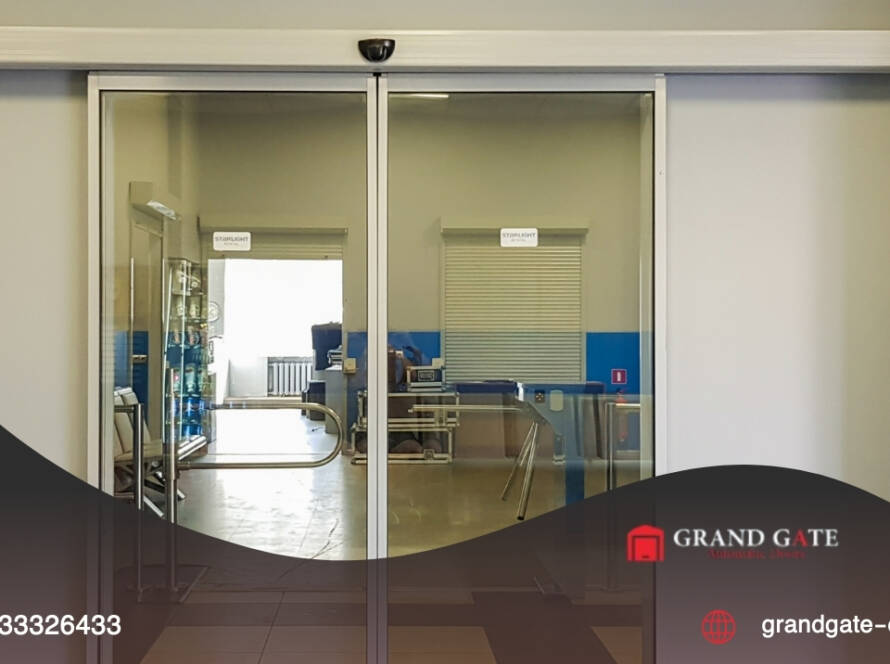
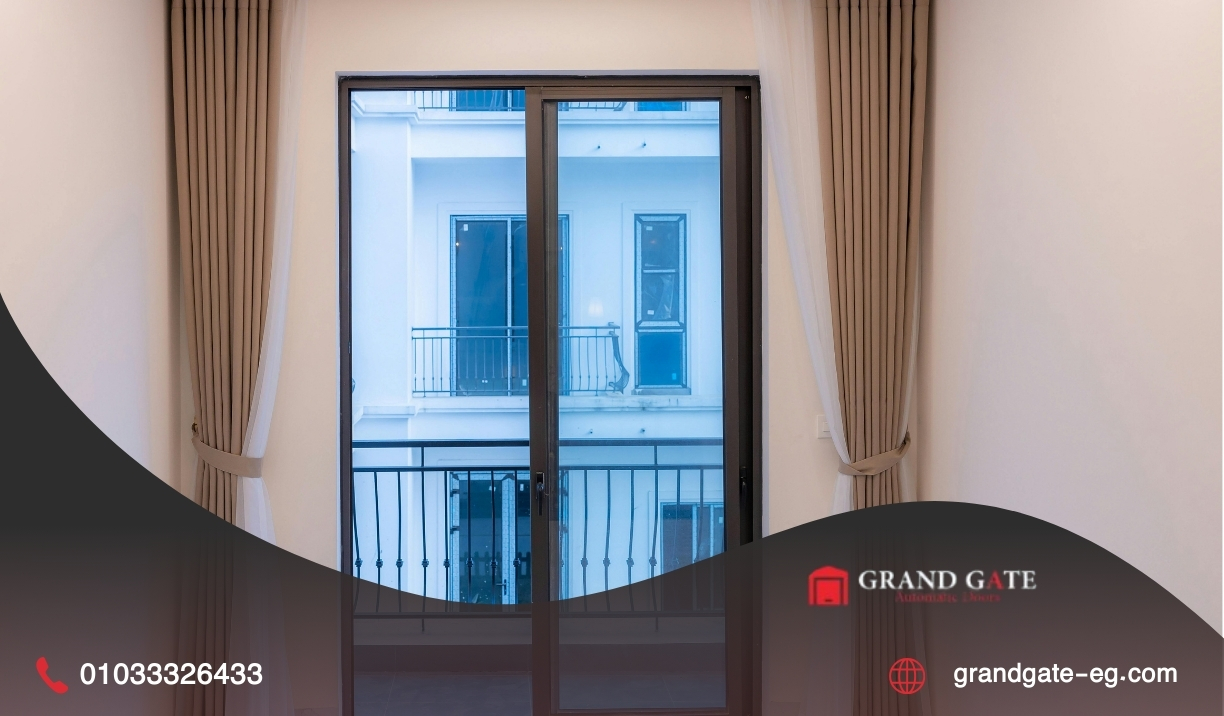
An automatic sliding door is a powered entrance system that opens and closes without manual physical effort, typically triggered by a detection system. These doors move horizontally along a track, providing a wide and clear opening for pedestrians.
In Egypt, they are commonly used in malls, hospitals, and office buildings where high traffic and hygiene are priorities. By choosing a professional door automation system, you ensure a welcoming atmosphere that accommodates everyone, including people with disabilities or those carrying heavy items.
Main Components of Automatic Sliding Doors
Every high-quality entrance depends on a collection of precisely engineered parts working in harmony. Understanding the components of automatic sliding doors helps in identifying why some systems perform better than others in demanding environments.
Motion Sensors
The first point of interaction is the detection phase. Different systems use various motion sensors for doors to identify approaching individuals. These can include microwave radar or infrared sensor doors that react to movement or heat signatures, ensuring the door reacts only when someone intends to enter.
Control Unit
Often referred to as the brain of the assembly, the automatic door control system processes signals from the sensors. It decides when to open, how long to stay open, and when it is safe to close based on pre-programmed logic.
Electric Motor
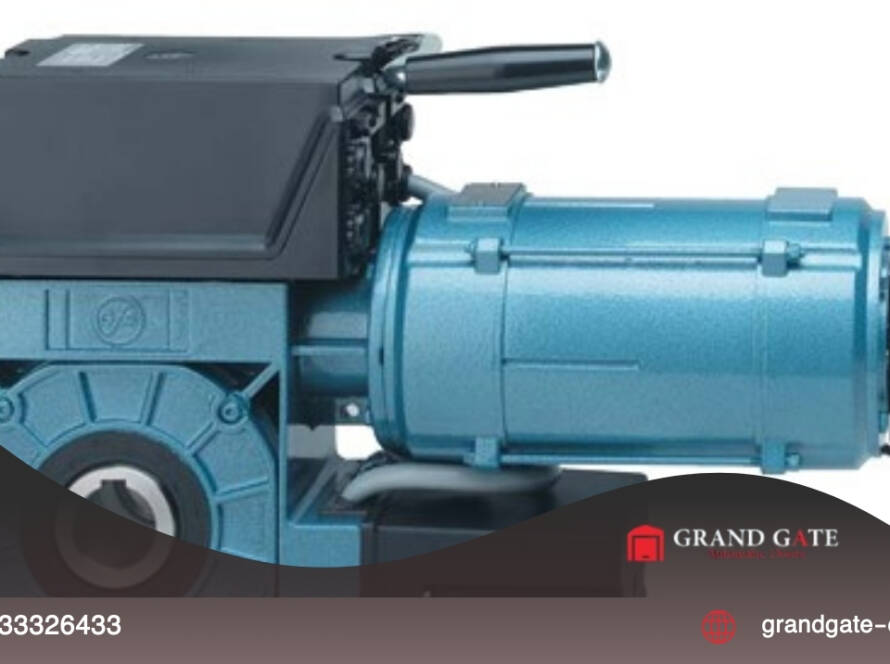
The physical force behind the movement is a high-torque electric sliding door motor. This motor is responsible for the smooth and quiet operation that defines premium installations from Grand Gate Eg .
Door Panels and Tracks
These are the visible physical components. The panels slide along heavy-duty tracks designed to minimize friction and noise, providing a long-lasting working principle of sliding doors.
Safety Sensors
To prevent accidents, safety sensors (often light curtains) are installed to detect if someone is standing in the doorway, preventing the panels from closing until the path is clear.
How Automatic Sliding Doors Work (Step-by-Step)
The process may seem simple to the user, but the sliding door system explained through its technical workflow reveals a high level of synchronization:
- Detection: A sensor detects movement or a presence near the entrance.
- Signal Processing: The sensor sends an immediate electronic pulse to the control unit.
- Activation: The control unit triggers the motor to start the opening cycle.
- Movement: The motor pulls the door panels along the track via a belt or gear system.
- Hold Time: The system remains open for a set duration or until the sensors confirm the area is clear.
- Closing: The motor reverses its action to slide the doors back to the closed position.
- Safety Override: If an obstruction is detected during closing, the safety system halts or reverses the movement instantly.
This seamless sequence explains how do automatic sliding doors open and close so reliably in busy environments like Egyptian airports and corporate headquarters.
Types of Automatic Sliding Door Systems
Depending on the architectural layout and space availability, different configurations might be required:
- Single Sliding Doors: Ideal for narrow entrances where space is limited on one side.
- Bi-parting Doors: The most common type, featuring two panels that slide in opposite directions to create a central opening.
- Telescopic Sliding Doors: Perfect for very wide openings where side space is restricted, as multiple panels stack behind each other.
Advantages of Automatic Sliding Doors
Investing in this technology offers more than just aesthetic appeal. When you partner with Grand Gate Eg , you unlock several operational benefits:
- Superior energy efficiency by preventing air-conditioned air from escaping through doors left open.
- Total hands-free convenience, which is vital for hygiene in food-related businesses and healthcare.
- Full accessibility compliance, making your building welcoming for everyone in accordance with modern standards.
- Significant improvement in traffic flow, preventing bottlenecks during peak hours in busy Egyptian retail centers.
- Enhanced security integration, allowing the doors to be locked or monitored remotely.
- Durability and long-term performance even in dusty or high-temperature environments.
Common Applications
The versatility of the automatic sliding door mechanism makes it suitable for various sectors across Egypt:
- Hospitals: Ensuring touchless entry to operating rooms and emergency departments.
- Shopping Malls: Managing thousands of visitors daily with minimal wear and tear.
- Airports: Providing wide clearances for passengers with luggage.
- Office Buildings: Creating a prestigious first impression for clients and partners.
Maintenance and Safety Features
To maintain the efficiency of how automatic doors function, regular professional check-ups are necessary. This includes cleaning the tracks, calibrating the sensors, and inspecting the motor brushes. Modern systems also include emergency opening mechanisms, such as battery backups or “break-out” functions that allow doors to be pushed outward manually during a power failure or fire.
Automatic Sliding Doors vs Manual Doors
| Feature | Automatic Sliding Doors | Manual Doors |
| Convenience | High (Touchless) | Low (Requires effort) |
| Energy Saving | Excellent (Automatic closing) | Poor (Often left open) |
| Safety | Built-in sensors | Risk of slamming |
| Hygiene | High (No contact) | Low (Handle contact) |
| Accessibility | Best for all users | Challenging for some |
FAQ Section
How do automatic sliding doors detect people?
They utilize sophisticated detection technology such as microwave radar or infrared sensors to identify motion or thermal energy near the entrance.
What powers automatic sliding doors?
They are powered by a dedicated motor connected to the building’s electrical grid, often supported by a battery backup for emergencies.
Are automatic sliding doors safe for children and the elderly?
Yes, they are equipped with advanced safety sensors that prevent the doors from closing if an object or person is detected in the path.
Do automatic doors work during power outages?
Most professional installations include a battery system that allows for several operations or a manual override to ensure safety.
How long do automatic sliding doors last?
With regular maintenance from a provider like Grand Gate Eg , these systems can reliably serve a building for 10 to 20 years.
In conclusion, understanding how automatic sliding doors work is the first step toward modernizing your property. Whether you are building a new facility in New Cairo or renovating a retail space in Alexandria, the right entrance solution provides safety, efficiency, and a touch of elegance. Grand Gate Eg is proud to be a leader in the Egyptian market, offering installation and maintenance services that keep your business moving.
Contact Grand Gate Eg today to discuss your project requirements and find the perfect entrance solution tailored to your needs.
Call us now to book your service at: 01033326433