The modern architectural landscape has undergone a radical transformation where convenience meets sophisticated engineering. As urban centers expand and the need for seamless movement increases, understanding the fundamental role of automated entryways becomes essential for business owners and developers alike. These systems have moved beyond being a luxury to becoming a standard requirement for any building prioritizing user experience and operational efficiency. In Egypt, companies like Grand Gate Eg lead the way in providing these advanced solutions to meet international standards.
To understand why these systems have become so prevalent, we must look at the specific environments where they provide the most significant impact on daily operations and analyze exactly Where Automatic Doors Are Used today.
What Are Automatic Doors?
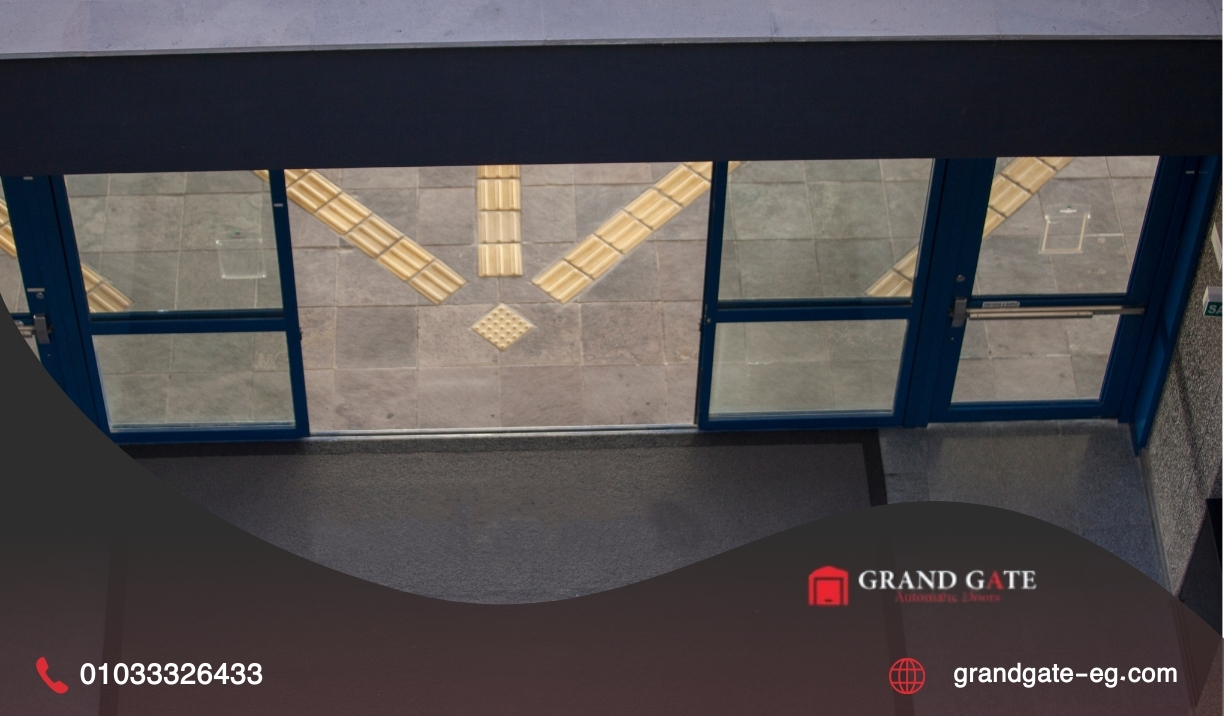
An automatic door is a controlled entry system that operates without physical human intervention, utilizing sophisticated sensors and motors to manage the flow of people. These systems detect movement or proximity and trigger an opening mechanism, ensuring that the passage remains unobstructed.
While the mechanics involve complex controllers and drive units, the user experience is intentionally simple. Typically, they come in three primary configurations: sliding, swinging, and revolving, each serving a specific spatial or aesthetic purpose depending on the building’s layout.
Where Are Automatic Doors Commonly Used?
The versatility of these systems allows them to be integrated into almost any professional environment. Here are the primary sectors where they are most effective and Where Automatic Doors Are Used most frequently.
1. Commercial Buildings
In the bustling retail environments of Cairo and Alexandria, first impressions are everything. Shopping malls, retail stores, and supermarkets rely heavily on commercial entrance systems to manage high volumes of shoppers. When considering Where Automatic Doors Are Used, the retail sector is often the most visible example of efficiency.
These systems ensure that customers carrying bags or pushing carts can exit and enter without struggle. Furthermore, they facilitate a constant flow of traffic, preventing bottlenecks during peak shopping hours or seasonal sales events.
2. Hospitals and Healthcare Facilities
Hygiene and rapid response are the pillars of the medical industry. Therefore, automatic doors in hospitals and malls serve very different but equally critical purposes. In a clinical setting, emergency rooms and ICUs require hands-free access to prevent the spread of germs. This is a critical area Where Automatic Doors Are Used to maintain life-saving standards.
The integration of touchless entry systems in Egyptian clinics has significantly improved sanitary conditions, ensuring that sensitive environments remain sterile while remaining accessible to those with limited mobility.
3. Airports and Transportation Hubs
Airports and train stations are the ultimate high-traffic door solutions. With thousands of travelers moving through terminals with heavy luggage, manual doors are simply not a viable option. When analyzing Where Automatic Doors Are Used in the public sector, transportation hubs stand out as essential infrastructure.
By managing the movement of large groups efficiently, these doors help maintain security protocols and ensure that passengers reach their gates or platforms on time, reducing the overall stress of travel.
4. Hotels and Hospitality Industry
The hospitality sector uses automated entrances to create a sense of luxury and welcome. From the moment a guest arrives at a hotel entrance or a conference center, the smooth operation of an automatic door signals a high level of service. This is a prime example of Where Automatic Doors Are Used to enhance a brand’s prestigious image.
5. Office Buildings and Corporate Spaces
Modern business towers in administrative districts utilize these systems for a combination of energy efficiency and professional aesthetics. Grand Gate Eg often installs these in office entrances to provide a sleek, glass-heavy look that matches contemporary corporate branding while ensuring that the building’s climate control remains effective.
6. Industrial and Warehouses
Beyond the glass and chrome of retail, industries that use automatic doors include logistics centers and factories. In industrial zones, high-speed doors are vital. If you look at Where Automatic Doors Are Used in manufacturing, you will find they are essential for safety, ensuring that heavy machinery or forklifts can pass through without manual intervention.
7. Residential Buildings
In the realm of high-end real estate, smart homes and luxury apartment complexes are increasingly adopting these technologies. This usage is driven by the desire for convenience and enhanced security. Residents appreciate being able to enter their buildings hands-free, especially when carrying groceries.
8. Public Buildings
Government buildings, museums, and libraries are mandated to provide accessibility doors. These institutions must be open to everyone, regardless of physical ability. This is another vital sector Where Automatic Doors Are Used to ensure compliance with international accessibility laws.
Benefits of Using Automatic Doors Across These Locations
The decision to install these systems is backed by several tangible advantages that affect the bottom line:
- Maximum Accessibility: They provide effortless entry for the elderly, children, and people with disabilities.
- Climate Control: By opening only when necessary, they significantly reduce the loss of air conditioning, which is vital in the Egyptian climate.
- Enhanced Hygiene: Eliminating the need to touch door handles reduces the transmission of viruses and bacteria.
- Space Optimization: Sliding models do not require the “swing path” of traditional doors, saving space.
- Traffic Regulation: They can be programmed to handle specific flow rates or integrated with security systems.
- Aesthetic Value: A glass automatic entrance instantly upgrades the perceived value of any property.
- Safety Features: Built-in sensors prevent doors from closing on individuals.
How to Choose the Right Location for Automatic Doors
Determining Where Automatic Doors Are Used effectively requires a strategic approach. Business owners should follow these steps:
- Analyze Traffic Patterns: Identify the busiest entry points in your facility.
- Define the Primary Purpose: Is the goal to save energy, improve hygiene, or aesthetics?
- Evaluate Environmental Conditions: Consider wind loads and temperature differences.
- Consult with Professionals: Engage with experts like Grand Gate Eg to ensure the chosen system meets local safety and building codes.
Automatic Doors vs Manual Doors
| Feature | Automatic Doors | Manual Doors |
| User Convenience | Exceptional | Moderate to Low |
| Long-term Energy Savings | High (Auto-closing) | Low (Often left open) |
| Physical Accessibility | Fully Compliant | Often Restricted |
| Hygiene Standards | Touchless/High | Surface Contact/Low |
| Initial Investment | Professional Grade | Standard Grade |
Key Factors That Determine Where Automatic Doors Are Installed
Several variables influence the placement of these systems. Foot traffic volume is the most common metric. Furthermore, safety requirements in high-risk areas often dictate the specific automatic door applications. Understanding Where Automatic Doors Are Used best helps in maximizing the return on investment for any commercial project.
Energy-saving goals are also a major factor in Egypt. In large halls or malls, manual doors that are left propped open can cost a business thousands. Automatic systems solve this by ensuring the “thermal envelope” remains sealed.
Future Trends in Automatic Door Usage
As we look toward the future of smart building solutions, the integration of AI is becoming the new frontier. We are seeing a move toward predictive sensors. Post-pandemic, the demand for touchless entry systems has become a permanent shift, expanding the list of Where Automatic Doors Are Used to include even smaller private offices and clinics.
FAQ Section
Where are automatic doors most commonly used?
They are predominantly found in high-traffic environments like shopping malls, international airports, hospitals, corporate offices, and hotels.
Why are automatic doors used in hospitals?
They are essential for maintaining sterile environments and providing hands-free access for medical staff.
Are automatic doors suitable for homes?
Yes, they are increasingly used in modern smart homes and luxury villas for enhanced convenience.
Do automatic doors save energy?
Absolutely. By closing automatically, they prevent the escape of cooled air, making them an eco-friendly choice.
What industries rely most on automatic doors?
Retail, healthcare, hospitality, and the transportation sector are the primary industries.
Choosing the right entryway is a critical decision for any facility manager. From enhancing the customer experience to saving lives in a hospital, the instances of Where Automatic Doors Are Used are as varied as they are vital. By prioritizing accessibility and efficiency, you are investing in the long-term success of your property.
In Egypt, Grand Gate Eg is your dedicated partner for all entrance solutions. We specialize in the installation and maintenance of high-quality systems designed to withstand heavy use while providing elegance. Whether you are looking for where are automatic sliding doors used or need a custom solution, our team is ready to assist.
Experience the difference that professional automation can make for your business. For consultations or to request a quote, contact us today.
Call Now: 01033326433 Grand Gate Eg – Your Entrance to the Future.