In Egypt’s modern architectural landscape, convenience and accessibility are essential for both commercial and residential buildings. Automatic doors provide a seamless blend of technology and functionality, offering hands-free access that enhances user experience while maintaining high hygiene standards. Understanding the Components of Automatic Doors is crucial for business owners and facility managers aiming to ensure long-term performance and reliability. At Grand Gate Eg, we deliver advanced automation solutions tailored to the Egyptian market, meeting international safety and efficiency standards. Knowing how these systems work makes managing and maintaining them far more efficient and cost-effective.
What Are Automatic Doors?
Definition of Automatic Doors
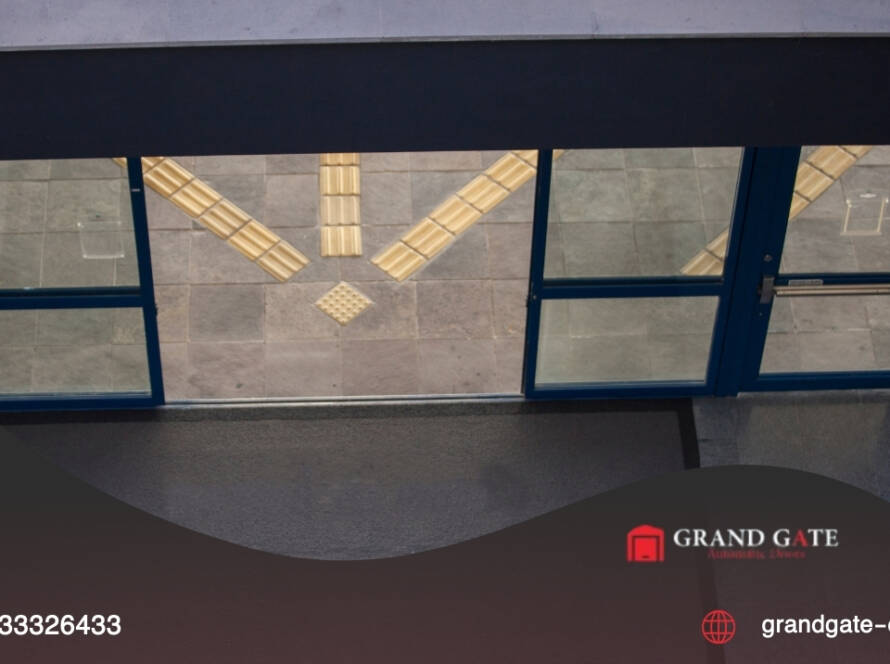
An automatic door is a sophisticated entrance system equipped with a suite of sensors and mechanical drives that allow it to open and close without manual physical effort. These systems are designed to detect the presence of a person or object and respond by activating a motor to move the door panels. In busy environments like Cairo’s shopping malls or medical centers, these doors are not just a luxury but a necessity for managing high traffic flow efficiently.
How Automatic Doors Function
The operation of these systems follows a logical sequence of electronic and mechanical events. It begins when a trigger is activated, usually by someone approaching the entrance. This trigger sends a message to a centralized brain that interprets the data and commands the hardware to move. The beauty of this technology lies in its precision, ensuring the door remains open long enough for safe passage and closes securely to maintain the building’s internal climate and security.
Main Components of Automatic Doors
1. Sensors
Sensors act as the eyes of the entire system. Without high-quality automatic door parts like these, the system would remain stationary. There are several door sensor types commonly used in Egypt:
- Motion Sensors: These utilize microwave technology to detect movement within a specific range, ideal for high-traffic entrances.
- Infrared Sensors: These detect changes in heat or use light beams to identify a person standing directly in front of or within the door’s path.
- Pressure Sensors: Often found in older mats, though modern installations prefer touchless optical solutions.
The primary function of these sensors is to detect movement or presence and trigger the door opening sequence instantly.
2. Control Unit (Controller)
Often referred to as the “brain,” the door control unit is the most critical electronic part of the assembly. This microcomputer receives signals from the sensors and processes them based on pre-programmed settings. It decides how fast the door should open, how long it stays open, and when it should start closing. In advanced smart door systems, the controller can also integrate with building management systems for enhanced security.
3. Motor
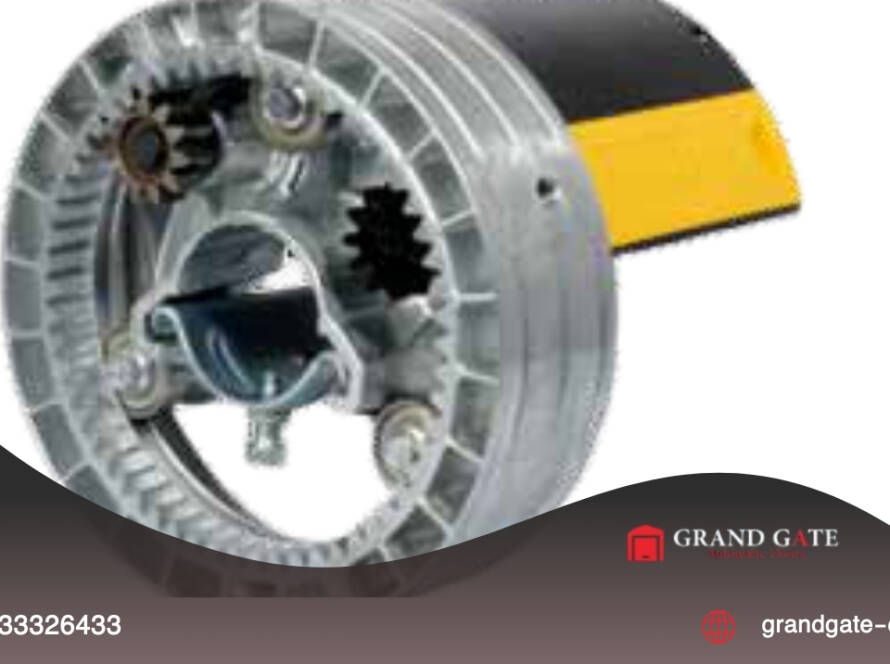
The automatic door motor provides the raw power needed to move the door panels. Most modern systems in Egypt use high-efficiency DC brushless motors because they offer quiet operation and long-term durability. The motor converts electrical energy into mechanical energy, initiating the physical movement required to slide or swing the doors open.
4. Drive Mechanism
The drive mechanism is the assembly that transfers the motor’s energy to the actual panels. This usually involves an automatic sliding door mechanism consisting of a reinforced rubber belt drive or a system of gears and pulleys. The choice of drive mechanism depends on the weight of the door panels and the expected frequency of use.
5. Door Panels
The door panels are the visible physical barriers that open and close. Depending on the architectural design, these can be sliding panels, swinging panels, or even folding versions. In Egypt, tempered glass panels are the most popular choice for retail and corporate offices due to their aesthetic appeal and transparency.
6. Track System
To ensure the movement is linear and steady, a track system is installed. This includes the rails and rollers that the door panels glide upon. High-quality rails are essential for preventing vibrations and ensuring a silent, smooth operation over thousands of cycles.
7. Safety Sensors
Safety is a non-negotiable aspect of door automation components. Safety sensors, or anti-collision sensors, are mounted at the bottom or sides of the door. Their function is to prevent accidents by detecting an obstruction in the closing path, causing the door to immediately reverse its direction. This is a critical requirement for compliance with safety compliance standards (e.g., ANSI/BHMA).
8. Power Supply
Every system requires a stable power supply to function. While the system typically runs on standard building electricity, a professional installation by Grand Gate Eg always includes a backup battery system. This ensures the components of automatic doors continue to function during the frequent power fluctuations or outages that can occur in industrial zones.
Explore everything you need to know in our Automatic Doors Guide.
Additional Components and Accessories
Beyond the core parts of automatic sliding doors, several accessories can enhance the functionality of the entrance:
- Remote Control Systems: Allow security personnel to manually override the door from a distance.
- Access Control Systems: Integration with RFID card readers, keypads, or even biometric scanners for restricted areas.
- Emergency Opening Systems: Mechanical levers or “break-out” functions that allow the doors to be pushed open manually during a fire or emergency.
- Locking Mechanisms: Electric bolts or electromagnetic locks that secure the entrance after business hours.
How All Components Work Together (Step-by-Step)
The automatic door system explanation is best understood through this seamless cycle:
- A sensor detects movement or presence as a person approaches the entrance.
- A signal is immediately sent to the electronic controller.
- The controller processes the signal and activates the electric motor.
- The motor drives the belt or gear mechanism.
- The door panels glide smoothly along the track system to the open position.
- Safety sensors continuously monitor the opening to ensure no one is trapped.
- The door remains open for a set duration before the controller signals the motor to close it.
Types of Automatic Doors and Their Components Differences
While the basic components of automatic doors remain similar, the configuration changes based on the door type:
- Sliding Doors: Rely heavily on the horizontal track system and belt drives.
- Swing Doors: Use an overhead operator with a powerful arm mechanism to push or pull the door.
- Revolving Doors: Feature a central shaft and curved glass panels, often used in luxury hotels in Cairo to maintain air conditioning efficiency.
- Folding Doors: Utilize a combination of pivots and tracks to fold the panels to the side, saving space in narrow corridors.
Benefits of Understanding Automatic Door Components
At Grand Gate Eg , we believe that an informed client is a satisfied client. Knowing how your door works leads to:
- Better maintenance schedules because you know which parts are subject to wear.
- Easier troubleshooting when communicating with technical support teams.
- Smarter purchasing decisions by selecting the right automatic door system components for your specific traffic volume.
- Increased safety for your visitors and employees.
Common Problems Related to Door Components
Even the best automatic door parts can face issues if not properly maintained. Common faults include:
- Sensor Failure: Dust or direct sunlight can sometimes interfere with the sensors’ ability to “see” visitors.
- Motor Issues: Overheating or electrical surges can damage the automatic door motor if surge protectors are not used.
- Track Misalignment: Physical impacts or debris in the rails can cause the door to jerk or get stuck.
- Power Supply Faults: Dead backup batteries can lead to a complete system shutdown during an outage.
Why Grand Gate Eg is Your Best Partner in Egypt
Choosing the right provider for your entrance solutions in Egypt ensures that you receive high-quality automatic door system components installed by certified experts. Here is why businesses trust us:
- We provide genuine parts of automatic sliding doors that are designed to withstand the heat and dust of the Egyptian climate.
- Our team is fully trained on safety compliance standards (e.g., ANSI/BHMA), ensuring your building is up to code.
- Installing our smart door systems can significantly reduce energy loss by up to 30% in commercial buildings by keeping the cold air inside.
- We offer comprehensive maintenance packages that include the lubrication of tracks and testing of all safety sensors.
- Our experience spans across hospitals, malls, and airports where reliability is the number one priority.
- We use the latest door automation components to ensure your entrance is modern, quiet, and fast.
- Every project we undertake is customized to the specific architectural needs of the site, whether it is a small retail shop or a large corporate headquarters.
Maintenance Tips for Automatic Door Components
To prolong the life of your entrance, follow these professional tips:
- Regularly clean the lenses of the sensors with a soft, dry cloth to ensure clear detection.
- Keep the floor tracks free of debris, stones, or dirt that could obstruct the rollers.
- Periodically check the tension of the drive belt in your automatic sliding door mechanism.
- Schedule a professional inspection at least twice a year to verify the integrity of the door control unit.
- Test the safety reverse feature weekly to ensure the anti-collision system is working perfectly.
FAQ Section
What are the main components of automatic doors?
The primary elements include sensors, the controller, the motor, the drive mechanism, door panels, the track system, and the power supply unit.
How do automatic door sensors work?
They use microwave or infrared technology to detect either motion or body heat, sending an electronic signal to the control unit to initiate opening.
What is the role of the controller in automatic doors?
It acts as the system’s brain, receiving inputs from sensors and safety devices to coordinate the motor’s speed and the timing of the door’s movement.
Can automatic doors work during power failure?
Yes, most professional systems installed by Grand Gate Eg come equipped with a backup battery that allows for several hours of continued operation or a final emergency opening.
What causes automatic doors to stop working?
Common causes include blocked sensors, worn-out motor brushes, debris in the tracks, or a tripped circuit breaker in the power supply.
Investing in high-quality components of automatic doors is the key to creating a modern, accessible, and energy-efficient building. From the precision of the door control unit to the strength of the automatic door motor, every part plays a vital role in the safety and comfort of your visitors. Statistics on usage in hospitals, malls, and airports prove that automation is the gold standard for high-traffic environments. By choosing Grand Gate Eg , you are opting for excellence, reliability, and local expertise right here in Egypt.
Don’t let a faulty entrance slow down your business operations or compromise the safety of your clients. Whether you need a new installation or a professional upgrade to your existing system, our team is ready to provide the best solutions using the most advanced door automation components available.
Contact Grand Gate Eg today to discuss your project requirements and ensure your entrance reflects the quality of your brand.
Call us now at: 01033326433