The entrance of any building serves as the first handshake between a business and its visitors. In a rapidly modernizing market like Egypt, choosing the right entry system has become an important decision for architects, business owners, and homeowners. When comparing Automatic Doors vs Manual Doors, the choice often comes down to convenience, cost, accessibility, and overall building needs. While automatic doors offer modern technology and hands-free operation, manual doors provide simplicity and reliability. Understanding the differences between these two options helps ensure you select the most practical and welcoming entrance for your space.
What Are Automatic Doors?
Definition of Automatic Doors
Automatic doors are sophisticated entry systems that use electronic sensors or control mechanisms to open and close without physical human contact. These systems are designed to facilitate seamless traffic flow in environments where convenience and speed are priorities.
How Automatic Doors Work
The core of these systems lies in their ability to detect presence or intent. Modern door automation systems rely on several key technologies:
- Motion sensors that detect movement within a specific range.
- Infrared sensors that identify thermal signatures or beam interruptions.
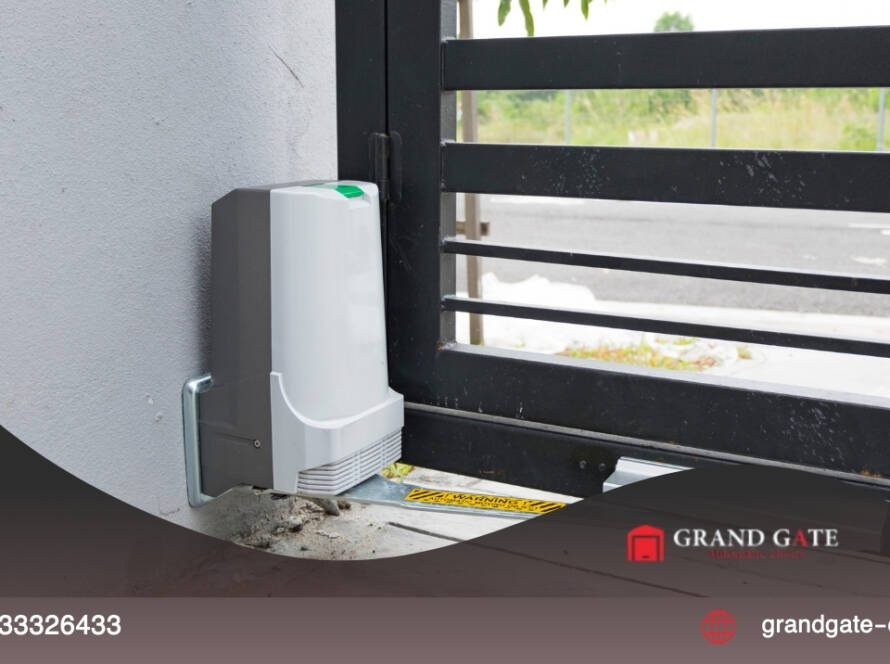
- A robust motor and track system that carries the weight of the glass or metal panels smoothly.
Common Types of Automatic Doors
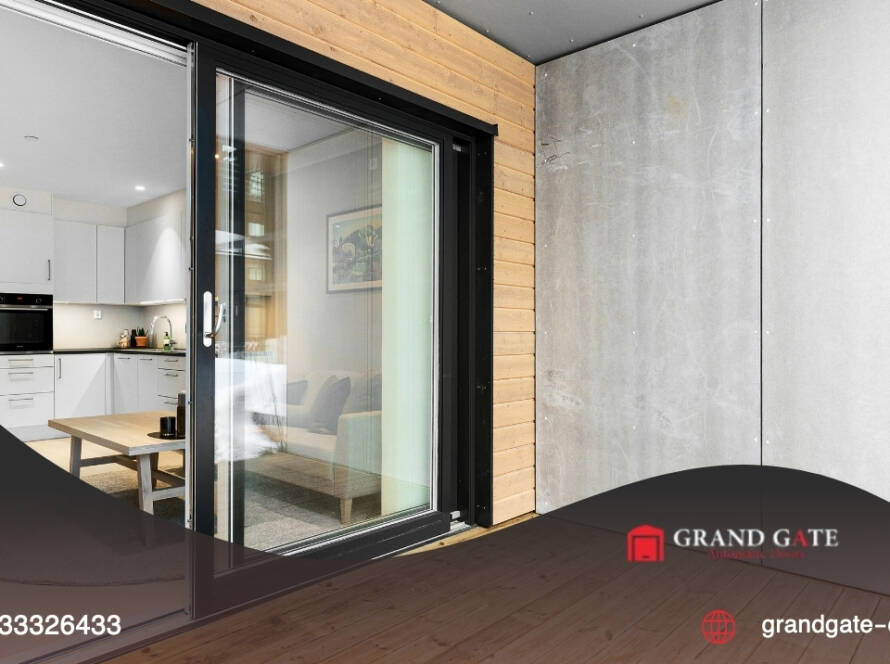
- Sliding automatic doors: The most popular choice for retail and high-traffic commercial buildings.
- Swing automatic doors: Ideal for narrow hallways or converting existing manual entries.
- Revolving automatic doors: Perfect for climate control in large hotels and malls.
- Telescopic automatic doors: Designed for wide openings in restricted spaces.
What Are Manual Doors?
Definition of Manual Doors
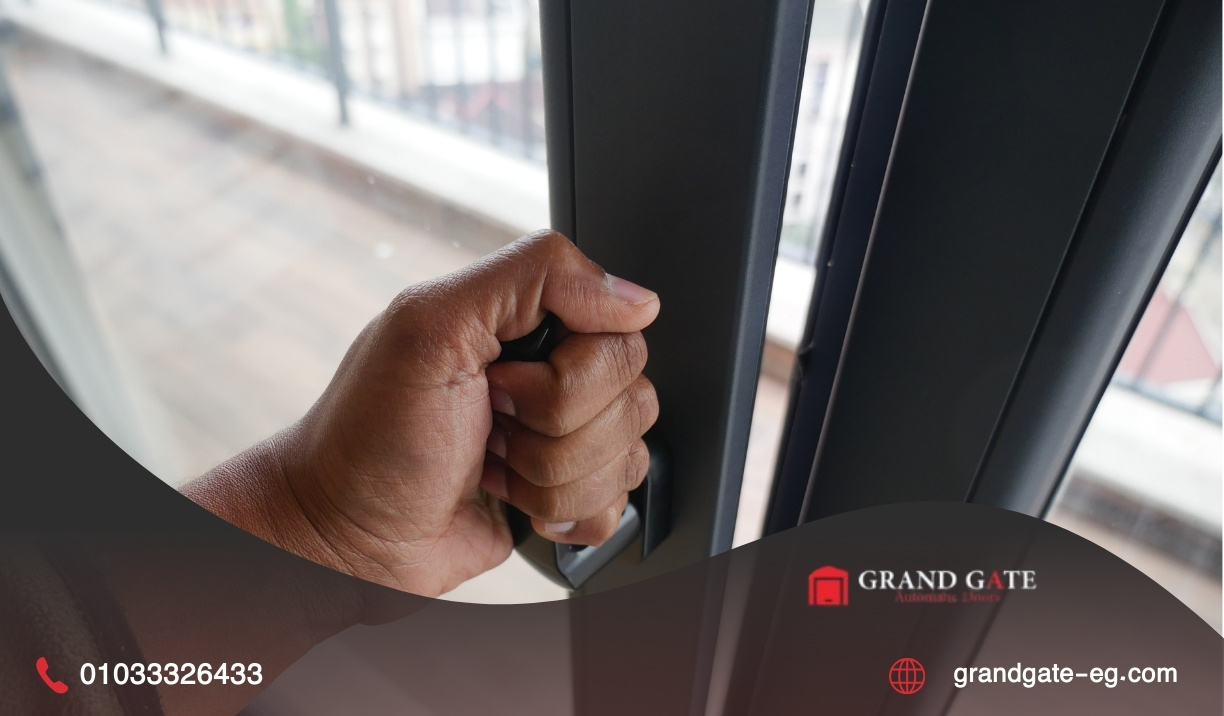
Manual doors are traditional entry points that require physical force—either pushing, pulling, or sliding—to operate. They remain the global standard for residential use and low-traffic areas due to their straightforward nature.
How Manual Doors Operate
The manual door operation depends entirely on mechanical hardware. This includes hinges, handles, locks, and closers that work together to provide security and privacy without the need for an external power source.
Common Types of Manual Doors
- Hinged doors: The standard swinging door found in almost every room.
- Sliding manual doors: Often used for patios or interior partitions.
- Folding doors: Useful for closets or flexible room dividers.
Automatic Doors vs Manual Doors: Quick Comparison
| Feature | Automatic Doors | Manual Doors |
| Operation | Sensor-based | Hand-operated |
| Convenience | High | Moderate |
| Installation Cost | Higher | Lower |
| Maintenance | Requires servicing | Minimal |
| Accessibility | Excellent | Limited |
Advantages of Automatic Doors
Investing in automatic door systems offers a range of benefits that go beyond simple aesthetics. For businesses in Egypt looking to upgrade their facade, here is why this technology is a game-changer:
- Hands-free convenience for customers carrying bags or pushing strollers.
- Excellent accessibility for disabled users and the elderly, complying with universal design standards.
- Improved hygiene in hospitals and laboratories by eliminating the need to touch door handles.
- Modern aesthetic appearance that boosts the brand image of any commercial entity.
- Energy efficiency with controlled opening, preventing the loss of air conditioning in the Egyptian summer.
Advantages of Manual Doors
While technology is impressive, the manual door benefits still hold weight for many applications:
- Lower installation cost compared to electronic systems.
- Simple mechanical design that most local contractors can handle.
- Minimal maintenance requirements over the lifespan of the door.
- Suitable for homes and small offices where traffic is infrequent.
- No electricity required, ensuring the door works perfectly during power outages.
Disadvantages of Automatic Doors
Before opting for automatic door installation, consider these factors:
- Higher upfront cost due to the complex electronics and high-quality glass.
- Requires electricity to function, often needing a battery backup or manual override.
- Periodic maintenance needed to ensure sensors and motors stay in peak condition.
- Sensor malfunction risks if not calibrated correctly for the specific environment.
Disadvantages of Manual Doors
Traditional doors have their drawbacks, particularly in a professional setting:
- Less accessible for elderly or disabled people who may struggle with heavy handles.
- Can cause congestion in high-traffic areas as people stop to open the door.
- Requires physical effort which can be a deterrent in premium luxury environments.
Where Automatic Doors Are Most Commonly Used
Smart doors for buildings have become the standard in several sectors across Egypt:
- Hospitals and medical centers for sterile, touchless entry.
- Airports where travelers are constantly moving with heavy luggage.
- Shopping malls to manage the massive flow of pedestrians daily.
- Hotels to provide a luxurious, welcoming experience from the first step.
- Office buildings to enhance security and modern appeal.
Where Manual Doors Are the Better Choice
Manual doors remain the logical selection for:
- Residential homes and private apartments.
- Small offices with a limited number of daily visitors.
- Storage rooms and utility areas where aesthetics are not a priority.
- Low-traffic areas where the difference between automatic and manual doors is negligible for the user.
Cost Comparison: Automatic vs Manual Doors
When evaluating the automatic door vs manual door cost, it is important to look at the total cost of ownership. Automatic systems involve a higher initial investment for the hardware and specialized labor. However, the benefits of automatic doors in buildings—such as energy savings and increased customer footfall—often offset these costs over time. Manual doors are cheaper to buy and install but offer fewer long-term functional advantages for a growing business.
Which Is Better: Automatic Doors or Manual Doors?
The answer to which is better automatic or manual doors depends entirely on your specific needs and the nature of your property.
Choose automatic doors if:
- You manage a high-traffic building with hundreds of daily visitors.
- Accessibility is important to your brand or is required by law.
- You want a modern entrance that reflects a tech-forward business.
- You are looking to install commercial automatic doors in a professional facility.
Choose manual doors if:
- Budget is limited and the project is small-scale.
- Traffic is low and physical operation is not a burden.
- Simplicity is preferred for secondary entrances or back-of-house areas.
Marketing Insights from Grand Gate Eg
At Grand Gate Eg , we have spent years perfecting building entrance doors for the Egyptian market. We recommend following these tips when planning your next project:
- Always prioritize the safety of your visitors by choosing high-quality sensors.
- Ensure your automatic door installation is handled by certified technicians to prevent future alignment issues.
- In Egypt’s dusty climate, regular cleaning of the tracks is essential for both automatic and manual sliding doors.
- Consider the architectural flow; sometimes a combination of both systems works best for a large facility.
- Think about the long-term; a smart entrance is an investment in your property’s value.
Frequently Asked Questions
Are automatic doors more expensive than manual doors?
Yes, automatic doors typically involve a higher investment because they include sensors, motors, and complex electrical components that require specialized installation.
Are automatic doors more energy efficient?
They can be significantly more efficient, especially in climate-controlled buildings, because they open only when needed and close immediately after the person passes, keeping the cold air inside.
Are manual doors more reliable?
Manual doors are mechanically simpler and do not rely on power or electronics, making them highly reliable for basic entry and exit without technical failure risks.
When to use automatic doors?
You should use them in any high-traffic environment where you want to improve accessibility, hygiene, and the overall professional look of the building entrance.
Q5: Do automatic doors require maintenance?
Yes. To ensure safety and longevity, the sensors, motors, and sliding automatic doors tracks require periodic inspection and servicing by professionals.
Choosing between automatic and manual doors is a decision that impacts the accessibility, safety, and prestige of your building. Whether you need the advanced technology of door automation systems or the rugged reliability of manual hardware, Grand Gate Eg is your trusted partner in Egypt for premium entrance solutions. We provide high-end installations tailored to your architectural needs, ensuring that every visitor to your facility experiences the best in modern design and functionality.
Don’t leave your building’s first impression to chance. Let our experts guide you toward the perfect choice that balances cost, style, and performance.
Book your service or consultation now!
Contact Grand Gate Eg at 01033326433 to discuss your project requirements and receive a customized solution for your entrance.