In today’s healthcare environment, every detail of a medical facility directly impacts patient safety and operational efficiency. From air quality systems to entry solutions, strict standards must be met to ensure hygiene and accessibility. One of the most essential elements is Automatic Sliding Doors for Hospitals, which provide seamless, touchless access for patients, staff, and equipment. These advanced systems help reduce contamination risks while improving workflow in high-traffic areas. In Egypt, Grand Gate Eg delivers reliable solutions tailored to modern medical needs, enabling hospitals to maintain controlled, efficient, and safe environments that support high-quality care and professional performance.
What Are Automatic Sliding Doors for Hospitals?
The concept of Automatic Sliding Doors for Hospitals involves more than just a moving pane of glass; it is a complex integration of engineering designed specifically for the rigors of medical environments. These systems are defined by their ability to provide hands-free access, which is crucial in areas where hygiene and speed are of the essence. The mechanism relies on a sophisticated sensor-based system that detects movement or presence, triggering a smooth lateral opening.
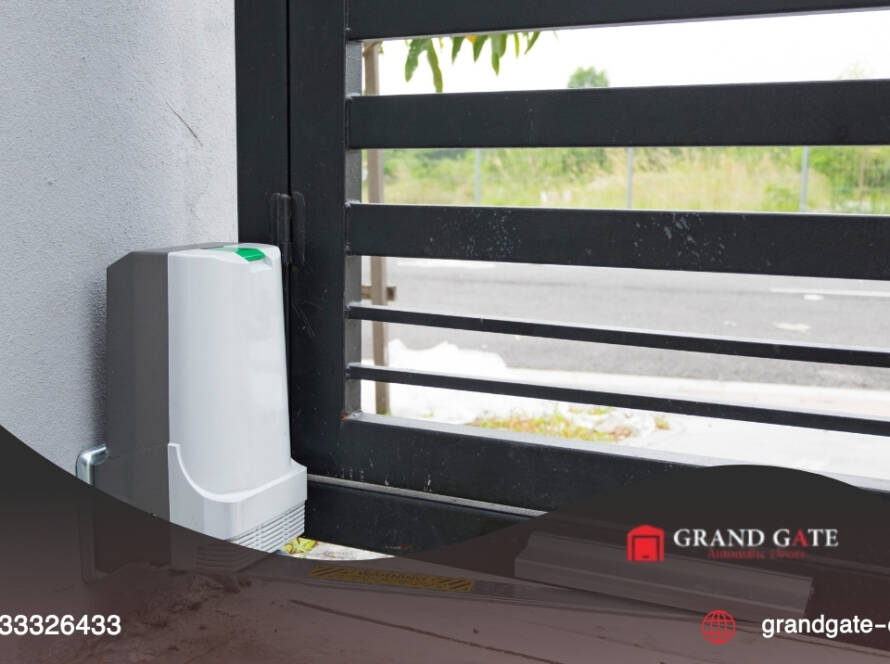
The core components of these systems include a high-torque motor designed for continuous duty, precision sensors (both motion and safety), and a programmable control unit. The control unit acts as the brain of the operation, allowing hospital administrators to adjust opening speeds, hold-open times, and integration with security protocols. For hospitals in Egypt looking for reliability, Grand Gate Eg provides systems where every component is tested for durability against high-traffic demands.
Why Hospitals Use Automatic Sliding Doors
Medical facilities are unique environments that require specialized architectural solutions to handle constant movement, emergencies, and the ever-present threat of cross-contamination. Automatic Sliding Doors for Hospitals provide a comprehensive answer to these challenges by addressing several operational needs simultaneously.
Infection Control and Hygiene
The primary concern in any clinical setting is the prevention of Hospital-Acquired Infections (HAIs). Touchless operation is not a luxury but a necessity; by eliminating the need for staff, patients, or visitors to touch door handles, the chain of contamination is effectively broken. In sterile environments like laboratories or surgical suites, the presence of Automatic Sliding Doors for Hospitals ensures that the environment remains pristine.
Accessibility for Patients and Staff
Hospitals must be accessible to everyone, regardless of their physical condition. Automatic Sliding Doors for Hospitals facilitate the effortless movement of wheelchairs, stretchers, and mobile medical equipment. During emergency situations where seconds count, the ability for a door to open automatically allows medical teams to transport patients without the physical barrier of a manual door.
Energy Efficiency and Climate Control
Maintaining a consistent internal temperature is vital for patient comfort and the preservation of sensitive medical supplies. Automatic Sliding Doors for Hospitals feature advanced air sealing technology that minimizes the exchange of air between different zones. This reduces the load on HVAC systems and contributes significantly to the overall energy efficiency of the building.
Emergency and High-Traffic Performance
Main entrances and emergency departments experience a relentless flow of people. Automatic Sliding Doors for Hospitals are engineered to handle thousands of cycles daily without degradation in performance. They are equipped with fail-safe mechanisms to ensure that in the event of a power outage or fire alarm, the doors can be easily opened or set to a specific safety mode.
Automatic Sliding Doors | Grand Gate Eg
Types of Automatic Sliding Doors for Hospitals
Not all hospital areas have the same requirements. Depending on the specific zone—whether it is a main lobby, an intensive care unit, or a sterile operating theater—different types of Automatic Sliding Doors for Hospitals are utilized to meet specific functional needs.
Single Sliding Doors
Ideal for hallways and smaller room entrances, single sliding doors offer a space-saving solution where a single leaf moves to one side. They are common in consultation rooms and administrative areas within the hospital.
Telescopic Sliding Doors
When a wide opening is required in a narrow space, telescopic doors are the preferred choice. These systems consist of multiple leaves that slide over each other, providing a larger clear opening width compared to standard sliding doors. They are frequently installed in main hospital corridors and emergency bay entrances.
Hermetically Sealed Doors (for operating rooms)
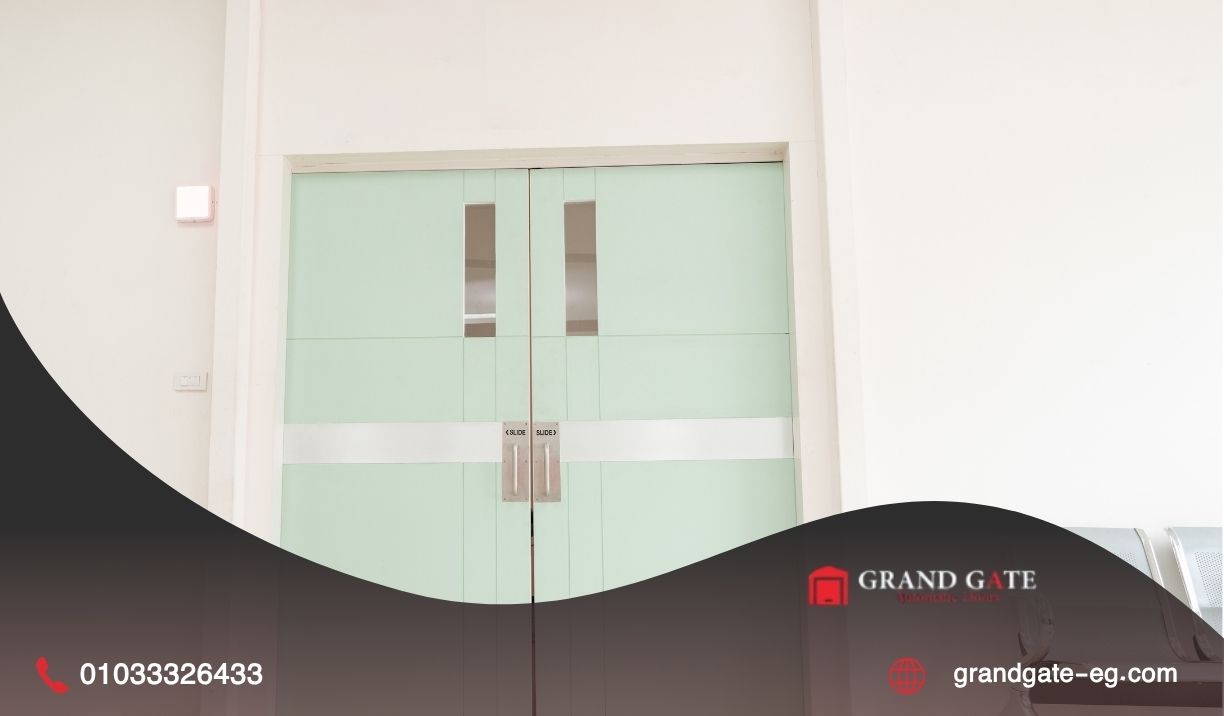
In operating theaters, maintaining air pressure and sterility is paramount. Hermetically sealed Automatic Sliding Doors for Hospitals are designed with a unique track system that allows the door to drop and press against the frame as it closes, creating an airtight seal. This prevents the ingress of dust and microorganisms into sterile zones.
ICU and Cleanroom Doors
Intensive Care Units require doors that offer high visibility and easy access. These Automatic Sliding Doors for Hospitals often feature large glass panels for patient monitoring and can be equipped with “break-out” functions that allow the doors to swing open manually in extreme emergencies.
Key Features to Look For
When selecting a system for a medical facility, it is important to look beyond the basic functionality. The following features represent the standard for high-quality Automatic Sliding Doors for Hospitals provided by Grand Gate Eg:
- Advanced motion sensors that ignore cross-traffic to prevent unnecessary openings.
- Safety sensors that detect obstacles in the door’s path, preventing accidental contact with patients.
- Backup battery systems that ensure the doors remain operational during power failures.
- Noise reduction technology for the motor and tracks to maintain a quiet healing environment for patients.
- Anti-bacterial surfaces and easy-to-clean materials that withstand harsh medical disinfectants.
- Integration capabilities with hospital fire alarm systems and access control readers.
- Air-tight sealing technology to maintain pressure differentials in specialized wards.
- Heavy-duty profiles that can support lead-lining for X-ray or radiology room applications.
Compliance and Safety Standards
Safety in a hospital environment is governed by international and local regulations. High-quality Automatic Sliding Doors for Hospitals must comply with standards such as EN 16005, which dictates safety in use for power-operated pedestrian doors. These standards ensure that the doors operate at safe speeds and include the necessary protective devices to prevent injury. In Egypt, Grand Gate Eg ensures that all installations meet fire safety requirements and accessibility compliance codes, providing peace of mind to hospital administrators and facility managers.
How to Choose the Right Automatic Sliding Door System
Selecting the appropriate system requires a strategic approach. Here is a step-by-step guide to making the right choice for your facility:
- Identify hospital area: Determine if the door is for the ICU, main entrance, or a sterile operating room.
- Define traffic volume: Estimate the frequency of use to choose a motor with the appropriate duty cycle.
- Determine hygiene requirements: Decide if standard automation is sufficient or if hermetic sealing is required.
- Select door type and material: Choose between glass, stainless steel, or lead-lined panels based on the room’s function.
- Choose a certified supplier: Partner with an experienced provider like Grand Gate Eg to ensure professional installation and long-term support.
Installation and Maintenance
The longevity of Automatic Sliding Doors for Hospitals depends heavily on the quality of the initial installation and the consistency of subsequent care. At Grand Gate Eg, we follow a rigorous installation process that begins with precise site measurements and ends with comprehensive testing of all safety features.
Routine Maintenance Checklist
To ensure the continuous operation of Automatic Sliding Doors for Hospitals, a routine maintenance schedule should include:
- Monthly testing of all activation sensors and safety beams.
- Inspection of the motor and drive belt for signs of wear or tension loss.
- Cleaning of the tracks to remove debris that could cause friction or noise.
- Checking the alignment of the door leaves to ensure a proper seal.
- Verifying the operation of emergency exit functions and battery backups.
Advantages vs Disadvantages
While the benefits of Automatic Sliding Doors for Hospitals are numerous, it is helpful to view them in a balanced context to understand the investment required.
Pros:
- Absolute touchless operation, significantly reducing infection risks.
- Improved patient flow and rapid response capabilities for medical staff.
- Significant energy savings due to controlled opening and closing cycles.
- Enhanced professional image for the healthcare facility.
Cons:
- Higher initial investment compared to manual door systems.
- Requirement for specialized regular maintenance to ensure safety compliance.
Cost Factors and ROI
The cost of implementing Automatic Sliding Doors for Hospitals is influenced by the complexity of the automation, the materials used for the door leaves, and the specific requirements of the installation site. However, the Return on Investment (ROI) is realized through several channels. Reduced energy bills, lower infection rates (leading to better patient outcomes), and decreased wear and tear on the building’s infrastructure all contribute to long-term financial benefits. Choosing a reliable partner in Egypt ensures that the initial cost is an investment in quality that lasts for years.
Real-World Use Cases
The versatility of Automatic Sliding Doors for Hospitals makes them suitable for various departments. In emergency rooms, they provide the rapid access needed for trauma cases. In operating theaters, they maintain the sterile barrier necessary for complex surgeries. In main entrances, they manage the high volume of visitors while maintaining the building’s internal climate.
FAQ
Why are automatic sliding doors important in hospitals?
They are essential because they provide touch-free access, which is a critical factor in infection control, while also ensuring that patients with mobility issues can move through the facility without barriers.
Are automatic sliding doors safe for patients?
Yes, modern systems are equipped with multiple safety sensors that detect the presence of individuals in the doorway, preventing the door from closing until the path is entirely clear.
Do automatic sliding doors reduce infection risk?
Absolutely. By eliminating the need for hands to touch surfaces like handles or push bars, Automatic Sliding Doors for Hospitals drastically reduce the transmission of bacteria and viruses between individuals.
Grand Gate Eg is committed to elevating the standard of healthcare infrastructure across Egypt. Our specialized team understands the unique pressures of the medical sector and provides tailored solutions that prioritize the well-being of your patients and the efficiency of your staff. We offer a full range of high-performance Automatic Sliding Doors for Hospitals designed to meet the most demanding clinical requirements.
If you are looking to upgrade your facility’s entry systems or are planning a new medical project, our experts are ready to assist you with technical consultations and professional installation services.
Contact Grand Gate Eg today to secure your facility with the best automation technology.
Call now at: 01033326433